Category Technical Guides & Material Comparisons

Quartz and Granite :Which Countertop Better Wins for Busy Families?

Choosing the right countertop is one of the most important decisions during a kitchen remodel in 2026. For busy families, countertops need to be durable, low-maintenance, stylish, and long-lasting. Quartz and granite are the two leading options, but deciding which material is best for your home can be challenging.

In this guide by Kitchen Fixit, we compare quartz vs granite 2026 to help you make the best choice for your kitchen, balancing durability, aesthetics, maintenance, and cost.


Quartz vs Granite 2026: Key Differences

Before selecting a countertop, it’s essential to understand the differences between quartz and granite surfaces:

  • Quartz: Engineered from natural quartz crystals mixed with resins and pigments. It is non-porous, highly durable, and available in consistent patterns.
  • Granite: A natural stone quarried in slabs. Each piece has unique veining and patterns. Granite is heat-resistant but naturally porous, requiring sealing.

Both materials provide strength and style, but their care and functionality differ—especially for busy households.


Durability: Which Countertop Handles Daily Family Use Better?

Quartz Countertops

  • Scratch-resistant and non-porous, making it ideal for high-traffic kitchens.
  • Does not require sealing, preventing stains from juice, wine, or oil.
  • Engineered for consistent performance and strength, even with frequent use.

Granite Countertops

  • Naturally heat-resistant, allowing hot pots and pans without damage.
  • Strong and durable, but requires annual sealing to prevent staining.
  • Unique patterns may chip if heavy items are dropped.

Winner for busy families: Quartz, for its low-maintenance, everyday resilience, and stain-proof surface.


Maintenance and Cleaning

Busy families need countertops that are easy to clean and maintain.

Quartz:

  • Wipe clean with mild soap and water
  • Non-porous surface prevents bacteria and mold
  • No special cleaners required

Granite:

  • Requires periodic sealing
  • Needs immediate attention for acidic spills
  • Must use stone-safe cleaning products

Quartz surfaces save time and effort, making them perfect for households juggling school, work, and cooking.


Aesthetic Appeal and Customization

Granite Countertops

  • One-of-a-kind veining and color patterns
  • Adds natural, luxurious look to kitchens
  • Works well with traditional and rustic designs

Quartz Countertops

  • Wide range of colors and patterns
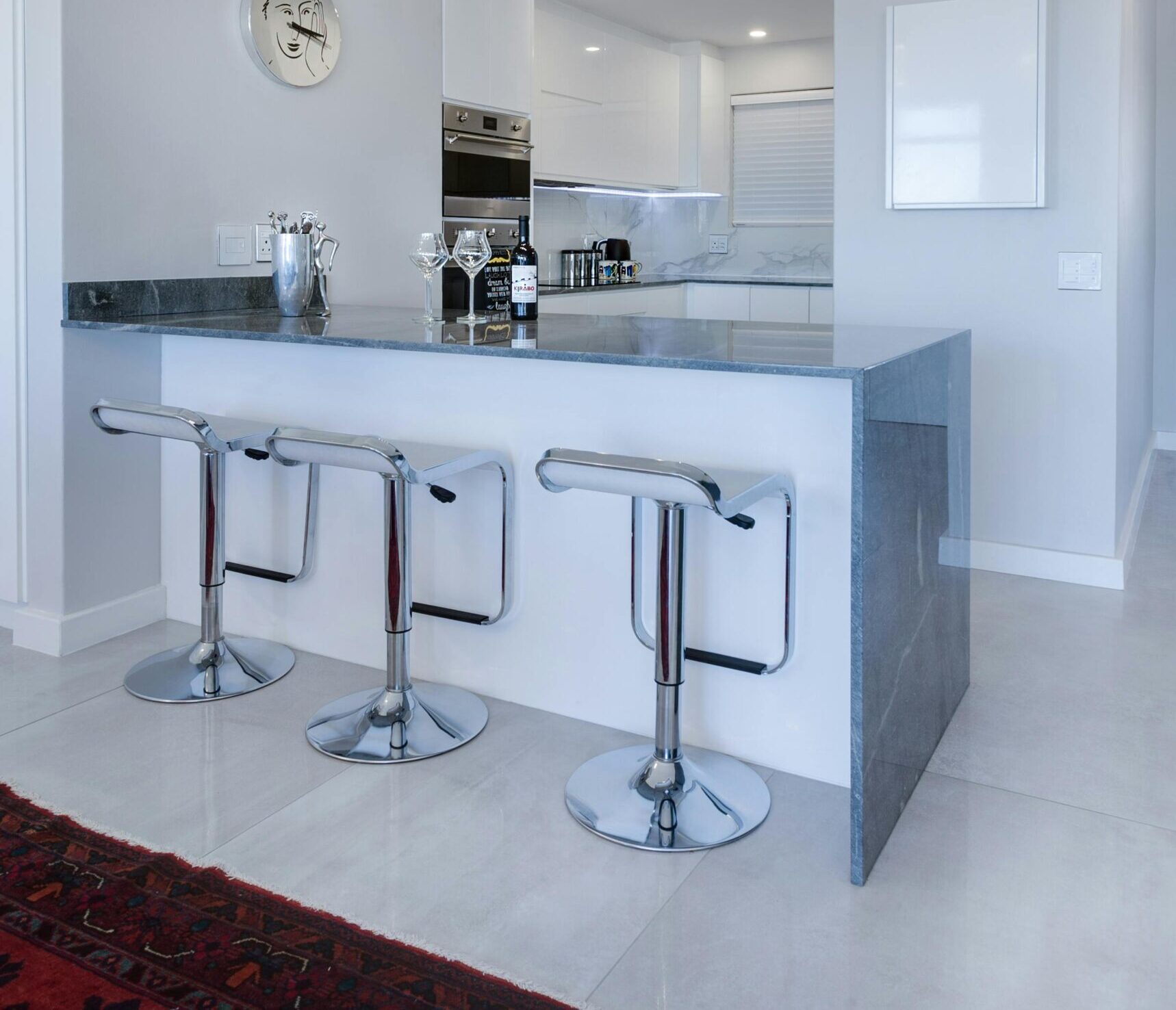
  • Can mimic marble, concrete, or natural stone
  • Offers a modern, uniform appearance for contemporary kitchens

Summary: Granite is ideal for those who want unique natural patterns, while quartz is best for a sleek, modern, low-fuss kitchen design.


Heat and Scratch Resistance

  • Quartz: Can handle everyday heat but needs trivets for hot pots. Scratch-resistant but may not tolerate extreme heat directly.
  • Granite: Naturally heat-resistant and can handle heavy cooking, though sudden temperature shocks can cause cracks.

Both materials are durable, but precautions with heat ensure longevity.


Cost Considerations in 2026

  • Quartz: Slightly higher upfront cost due to manufacturing, but low maintenance reduces long-term expenses.
  • Granite: Prices vary by rarity and quarry location. Initial cost may be lower, but sealing and upkeep add recurring expenses.

For busy families, quartz often provides better overall value over time.


Pros and Cons: Quartz vs Granite

FeatureQuartzGranite
MaintenanceVery lowNeeds sealing
DurabilityScratch & stain-resistantHeat-resistant, may chip
AestheticUniform, modernUnique, natural patterns
CostHigher upfrontVariable
Ideal ForBusy families, low upkeepTraditional designs, natural look

FAQs: Quartz vs Granite 2026

1. Can quartz withstand hot pots?
Yes, for normal cooking. However, always use trivets for very hot cookware.

2. How often should granite be sealed?
Granite should be sealed at least once a year to prevent stains and bacterial buildup.

3. Which countertop is better for kids?
Quartz is safer due to its non-porous, scratch-resistant surface.

4. Do quartz and granite increase home resale value?
Yes. Both add value, but quartz is increasingly popular for modern, low-maintenance kitchens.


Final Thoughts

When it comes to Quartz vs Granite in 2026, busy families will benefit most from quartz countertops due to their durability, low maintenance, and modern design options. Granite remains a great choice for those seeking natural beauty and heat resistance, but requires extra care.

For professional countertop selection, installation, or full kitchen remodel guidance, Kitchen Fixit provides expert support to help you create a functional, stylish, and long-lasting kitchen.
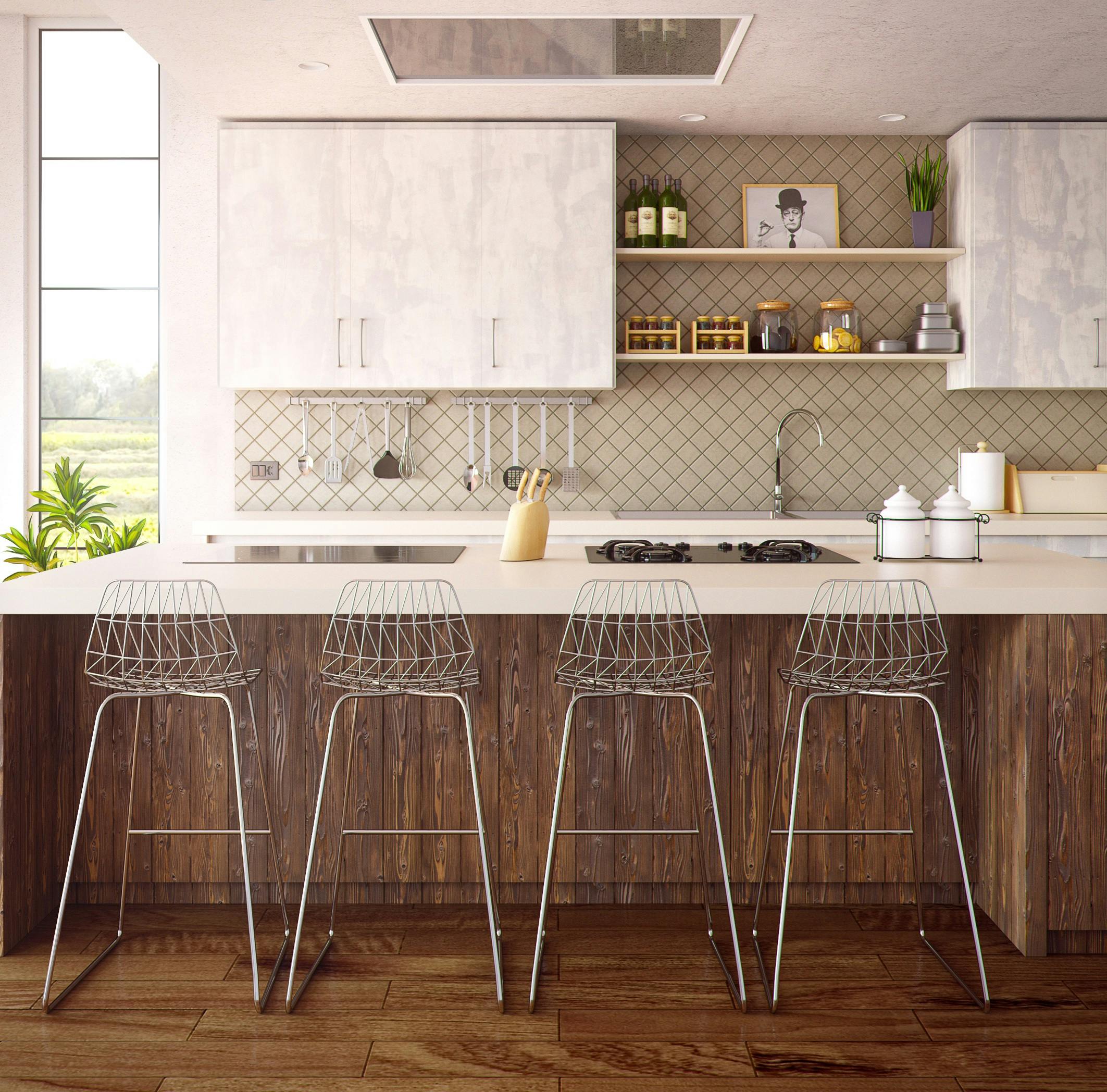
Induction and Gas: The benifits and difficulties of Switching During Your Remodel.

This guide from Kitchen Fixit breaks down the pros and cons of induction and gas cooking, helping you make an informed decision during your remodel.

Choosing the right cooking surface is one of the most important decisions when remodeling a kitchen. Between induction cooktops and gas stoves, homeowners face a balance between performance, convenience, safety, and long-term costs. Each option has unique benefits and potential drawbacks, making it essential to understand which choice aligns best with your cooking style and household needs.

Understanding Induction and Gas Cooking

Induction cooking uses electromagnetic energy to directly heat pots and pans, while the cooktop itself remains relatively cool. This method is highly efficient, offering precise temperature control and faster cooking times.

Gas cooking, on the other hand, uses an open flame to heat cookware. It has long been favored by professional chefs and home cooks for its visual cues, responsive heat control, and compatibility with all types of pots and pans.


Pros of Induction Cooking

  1. Energy Efficiency
    Induction cooktops convert nearly 90% of energy into heat, reducing electricity waste compared to gas stoves.
  2. Safety
    The cooktop stays cool, minimizing burn risks. Auto-shutoff features on modern induction cooktops add an extra layer of safety.
  3. Precision and Speed
    Induction heats faster and allows for precise temperature adjustments, making delicate cooking tasks easier.
  4. Easy Cleaning
    Because spills do not burn onto the cooktop, cleaning is simple and fast.
  5. Modern Design
    Induction cooktops offer a sleek, minimalist look that complements contemporary kitchens.

Cons of Induction Cooking

  1. Cookware Compatibility
    Only magnetic cookware, such as stainless steel or cast iron, works on induction surfaces.
  2. Higher Upfront Cost
    Induction cooktops are generally more expensive than gas ranges.
  3. Learning Curve
    Some cooks find induction responsive heat takes practice to master compared to gas flames.

Pros of Gas Cooking

  1. Instant Heat Control
    Gas stoves offer real-time visual feedback, allowing immediate temperature adjustments.
  2. Universal Cookware
    All types of cookware—including copper, aluminum, and ceramic—are compatible with gas flames.
  3. Traditional Cooking Experience
    Many chefs prefer gas for its versatility in sautéing, searing, and wok cooking.
  4. Continued Operation During Power Outages
    Gas stoves can function without electricity, which is useful in areas prone to outages.

Cons of Gas Cooking

  1. Lower Energy Efficiency
    Gas stoves convert only 40–55% of energy into heat, making them less efficient than induction.
  2. Safety Risks
    Open flames increase the risk of burns or accidental fires. Gas leaks are a potential hazard and require proper ventilation.
  3. Maintenance
    Gas burners require regular cleaning to prevent clogs and uneven heating.
  4. Installation Limitations
    Gas lines may need professional installation, adding to remodeling costs.

Factors to Consider When Choosing

When deciding between induction and gas during a remodel, consider:

  • Cooking Habits: Do you value precision and speed or traditional flame control?
  • Budget: Factor in both installation and long-term energy costs.
  • Kitchen Layout: Ensure electrical capacity for induction or gas line access.
  • Safety Needs: Induction is safer for households with children.
  • Aesthetic Preferences: Modern kitchens often pair well with induction cooktops.

Final Thoughts

Switching cooking surfaces during a remodel is a major decision that affects performance, energy use, safety, and design. Induction offers efficiency, safety, and speed, while gas provides universal cookware compatibility, visual control, and traditional cooking experience. Understanding your household needs and cooking style is crucial before committing to either option.

For expert guidance on kitchen appliance selection, installation, or remodeling, Kitchen Fixit can help ensure your kitchen is functional, safe, and stylish.

A Step-by-Step Kitchen Remodeling Checklist: From Demolition to Decor.

A kitchen remodel is one of the most rewarding home improvement projects, but it can also be overwhelming without a clear plan. From tearing out old cabinets to adding the final decorative touches, each phase requires careful coordination. A structured checklist helps you stay on schedule, manage costs, and avoid costly mistakes.

This comprehensive guide by Kitchen Fixit provides a step-by-step kitchen remodeling checklist to help you move confidently from demolition to décor while ensuring quality and efficiency at every stage.

Step 1: Define Your Remodeling Goals

Before any physical work begins, clearly define what you want to achieve with your kitchen remodel. Are you aiming for better functionality, modern aesthetics, increased storage, or higher resale value?

Key considerations include:

Budget limits and financing

Kitchen size and layout changes

Style preferences (modern, traditional, minimalist)

Long-term needs of your household

Setting clear goals ensures that all decisions align with your vision and budget.

Step 2: Create a Realistic Budget and Timeline

A successful kitchen remodel depends on accurate budgeting and scheduling. Account for materials, labor, permits, and a contingency fund for unexpected expenses.

Important budgeting tips:

Allocate funds for essential upgrades first

Include 10–15% buffer for surprises

Plan a realistic timeline to avoid rushed decisions

Proper planning prevents delays and overspending.

Step 3: Design and Layout Planning

Kitchen design directly impacts usability and workflow. Focus on creating an efficient layout that supports cooking, cleaning, and storage.

Design essentials:

Optimize the kitchen work triangle (sink, stove, refrigerator)

Choose cabinet configurations for maximum storage

Plan lighting and electrical outlets early

Professional design input can help you avoid layout issues later.

Step 4: Obtain Permits and Hire Professionals

Many kitchen remodels require permits for electrical, plumbing, or structural changes. Hiring licensed professionals ensures compliance with local building codes and safety standards.

Benefits of professional contractors:

Proper permitting and inspections

Skilled workmanship

Reduced risk of costly rework

Kitchen Fixit recommends working with experienced professionals for complex remodeling projects.

Step 5: Demolition and Site Preparation

Once planning and permits are complete, demolition begins. This phase involves removing old cabinets, countertops, appliances, and flooring.

Preparation tips:

Protect surrounding areas from dust

Turn off utilities when necessary

Dispose of debris safely

Proper site preparation sets the foundation for smooth installation.

Step 6: Plumbing, Electrical, and Structural Work

After demolition, essential infrastructure work begins. This includes updating plumbing lines, electrical wiring, and any structural modifications.

Key tasks include:

Installing new wiring and outlets

Upgrading plumbing fixtures

Reinforcing walls or floors if needed

Completing this phase correctly is critical for safety and performance.

Step 7: Install Cabinets and Countertops

Cabinet installation defines your kitchen’s structure and storage. Precision is essential to ensure proper alignment and functionality.

Installation considerations:

Level cabinets for long-term durability

Choose countertops based on durability and style

Seal surfaces to prevent moisture damage

Quality installation improves both appearance and lifespan.

Step 8: Flooring, Backsplash, and Painting

With major fixtures in place, it’s time to complete surface finishes. Flooring, backsplashes, and paint add personality and cohesion to your kitchen.

Best practices:

Select slip-resistant, durable flooring

Use easy-to-clean backsplash materials

Apply moisture-resistant paint

These elements enhance both function and aesthetics.

Step 9: Appliance Installation and Lighting

Installing appliances and lighting brings your kitchen to life. Ensure appliances are energy-efficient and compatible with your layout.

Key points:

Properly connect gas and electrical appliances

Install task and ambient lighting

Test all fixtures before finalizing

This stage improves usability and energy efficiency.

Step 10: Final Touches and Decor

The final phase focuses on décor and personalization. Small details make a big impact on the finished look.

Decor ideas include:

Cabinet hardware upgrades

Window treatments

Decorative lighting and accessories

Thoughtful décor completes the transformation.

Step 11: Final Inspection and Cleanup

Before using your new kitchen, conduct a thorough inspection. Check for any installation issues, leaks, or electrical problems.

Final steps:

Test appliances and fixtures

Address punch-list items

Perform deep cleaning

A proper inspection ensures everything meets your expectations.

Final Thoughts

A kitchen remodel is a complex process, but following a clear step-by-step checklist makes it manageable and rewarding. From demolition to décor, careful planning and execution are the keys to success.

For expert remodeling support, repairs, or professional guidance, Kitchen Fixit is your trusted partner in creating a kitchen that combines functionality, style, and durability.

Smart Kitchen Technology: Must-Have Gadgets That Make Cooking Easier.

Smart kitchen technology is transforming how homeowners cook, clean, and manage their kitchens. From saving time on daily tasks to improving energy efficiency and safety, smart gadgets are no longer a luxury—they are becoming a practical necessity. Whether you are renovating your kitchen or simply upgrading appliances, integrating smart technology can significantly improve convenience and performance.

In this guide by Kitchen Fixit, we explore the must-have smart kitchen gadgets that make cooking easier, more efficient, and more enjoyable.


What Is Smart Kitchen Technology?

Smart kitchen technology refers to appliances and devices that use connectivity, automation, and sensors to simplify kitchen tasks. These gadgets often connect to Wi-Fi or Bluetooth and can be controlled through mobile apps or voice assistants such as Alexa or Google Assistant.

Smart kitchens are designed to:

  • Reduce manual effort
  • Improve cooking accuracy
  • Enhance safety and hygiene
  • Save time and energy

With the right tools, even complex cooking tasks become manageable for busy households.


Smart Refrigerators for Better Food Management

Smart refrigerators are one of the most impactful kitchen upgrades. These appliances come equipped with internal cameras, touchscreens, and temperature sensors that help you track food items and reduce waste.

Key benefits include:

  • Viewing fridge contents remotely through a mobile app
  • Receiving expiration date reminders
  • Energy-efficient temperature control
  • Built-in recipe suggestions

By minimizing food spoilage and unnecessary grocery purchases, smart refrigerators help maintain an organized and efficient kitchen.


Smart Ovens and Ranges for Precision Cooking

Smart ovens and ranges take guesswork out of cooking. They allow precise temperature control and remote operation, ensuring consistent results every time.

Features commonly include:

  • Preheating from a smartphone
  • Automatic cooking presets
  • Internal temperature probes
  • Voice command integration

These appliances are ideal for busy homeowners who want reliable results without constant monitoring.


Intelligent Cooktops and Smart Sensors

Induction cooktops with smart sensors offer faster heating and better safety. Many models automatically adjust heat levels based on cookware size and cooking needs.

Advantages include:

  • Faster cooking times
  • Reduced energy consumption
  • Automatic shut-off for safety
  • Even heat distribution

Smart cooktops are particularly beneficial for families looking to improve both efficiency and kitchen safety.


Smart Dishwashers That Save Time and Water

Modern smart dishwashers are designed to optimize water usage while delivering superior cleaning performance. They can detect load size and adjust cycles automatically.

Notable features:

  • Remote start and monitoring
  • Leak detection alerts
  • Energy and water usage tracking
  • Quiet operation modes

These dishwashers are ideal for households aiming to reduce utility costs without compromising cleanliness.


Voice-Controlled Kitchen Assistants

Voice assistants play a central role in smart kitchens. They help manage tasks hands-free while cooking or cleaning.

Common uses include:

  • Setting cooking timers
  • Converting measurements
  • Creating shopping lists
  • Controlling other smart appliances

Voice-controlled assistants improve workflow and reduce interruptions during meal preparation.


Smart Coffee Makers and Small Appliances

Small appliances are also getting smarter. Smart coffee makers, blenders, and kettles allow customization and scheduling through mobile apps.

Benefits include:

  • Scheduled brewing times
  • Personalized settings
  • Consistent results
  • Reduced manual operation

These gadgets enhance daily routines and add convenience to busy mornings.


Smart Lighting for Better Visibility and Ambiance

Lighting plays a crucial role in kitchen functionality. Smart lighting systems allow you to adjust brightness and color temperature depending on the task.

Advantages:

  • Improved visibility for food prep
  • Energy-efficient LED control
  • Motion-activated lighting
  • Mood lighting for dining

Smart lighting enhances both functionality and aesthetics.


Smart Kitchen Safety Devices

Safety is a major advantage of smart kitchen technology. Devices such as smart smoke detectors, gas leak sensors, and water leak monitors help prevent accidents.

Key benefits:

  • Instant alerts on mobile devices
  • Automatic shut-off features
  • Enhanced peace of mind

These tools are especially valuable for families and rental properties.


How to Choose the Right Smart Kitchen Gadgets

Before investing in smart kitchen technology, consider:

  • Compatibility with existing appliances
  • Ease of use and setup
  • Long-term maintenance requirements
  • Budget and energy efficiency

Not every gadget is necessary for every home. Focus on tools that match your cooking habits and lifestyle.


Installation and Maintenance Considerations

Proper installation is essential to ensure optimal performance and safety. Smart appliances often require:

  • Stable Wi-Fi connectivity
  • Professional electrical or plumbing setup
  • Regular software updates

Kitchen Fixit recommends professional installation and routine maintenance to extend the lifespan of smart kitchen devices.


Final Thoughts

Smart kitchen technology is redefining modern cooking by combining convenience, efficiency, and innovation. From smart refrigerators to voice-controlled assistants, these gadgets simplify everyday tasks and improve overall kitchen performance. Investing in the right smart tools not only makes cooking easier but also adds long-term value to your home.

For expert guidance, installation, or kitchen upgrades, trust Kitchen Fixit to help you build a smarter, more efficient kitchen.

How to Choose the Perfect Backsplash: Balancing Texture, Color, and Durability.

Choosing the perfect backsplash is one of the most important design decisions when planning or upgrading a kitchen. Beyond protecting walls from spills and stains, a backsplash plays a major role in defining your kitchen’s overall style. The right choice can enhance functionality, improve durability, and elevate visual appeal. For homeowners aiming for a long-lasting and stylish kitchen, success lies in balancing texture, color, and durability.

This detailed guide by Kitchen Fixit will help you confidently choose a backsplash that fits your kitchen’s design while standing up to everyday use.


Why the Kitchen Backsplash Is Important

A kitchen backsplash serves as both a protective barrier and a design feature. Located between countertops and cabinets, it is constantly exposed to heat, moisture, grease, and food splashes. Selecting the wrong material can lead to discoloration, mold buildup, or frequent repairs.

A well-planned backsplash:

  • Protects walls from water and grease damage
  • Enhances kitchen cleanliness and hygiene
  • Creates visual harmony between cabinets and countertops
  • Adds long-term value to your home

Investing time in the right backsplash choice ensures durability and timeless appeal.


How to Choose the Right Texture

Texture adds depth and personality to your kitchen, but it also impacts cleaning and maintenance.

Smooth surfaces such as ceramic, porcelain, or glass tiles are ideal for busy kitchens because they are easy to clean and resist staining. Textured backsplashes, including stone or handmade tiles, offer a unique aesthetic but may trap grease and require extra upkeep.

Popular texture choices include:

  • Subway tiles for a clean and classic look
  • Glass tiles to reflect light and brighten the space
  • Natural stone for a rustic or luxury feel
  • Metal tiles for a modern and industrial appearance

For households that cook frequently, low-maintenance textures are usually the best option.


Selecting the Perfect Color Scheme

Color selection plays a major role in how your kitchen feels and functions. Light colors such as white, beige, or soft gray make smaller kitchens feel larger and more open. Darker tones like charcoal or navy add depth and contrast but may highlight grease or water marks.

When choosing a backsplash color:

  • Coordinate with your countertop and cabinet colors
  • Use contrast to create visual interest
  • Avoid overly trendy colors if you want long-term appeal

Neutral colors remain a safe and versatile choice for most kitchens.


Understanding Durability and Material Strength

Durability is often overlooked but is one of the most important backsplash factors. Kitchens experience constant temperature changes, moisture, and cleaning chemicals.

Highly durable backsplash materials include:

  • Porcelain tiles for moisture and heat resistance
  • Ceramic tiles for affordability and reliability
  • Glass tiles for stain resistance
  • Stainless steel for commercial-grade durability

Materials like marble or unsealed stone require more care and regular sealing to prevent damage.


Balancing Style with Everyday Practicality

A beautiful backsplash should not sacrifice function. While bold patterns and textured designs can look impressive, they may not be practical for daily use.

Ask yourself:

  • How often do I cook?
  • Am I willing to perform regular maintenance?
  • Will this design still look good in five to ten years?

For most homeowners, simple patterns combined with durable materials provide the best balance.


Installation Tips for Long-Lasting Results

Even premium backsplash materials can fail if installation is poorly executed. Proper wall preparation, quality grout, and accurate tile spacing are essential.

Professional installation helps:

  • Prevent cracking and uneven tiles
  • Ensure moisture resistance
  • Extend the lifespan of your backsplash

Kitchen Fixit recommends expert installation, especially for complex patterns or premium materials.


Frequently Asked Questions

What backsplash material is easiest to maintain?
Porcelain and glass tiles are the easiest to clean and maintain.

Is a backsplash necessary behind the stove?
Yes, especially heat- and stain-resistant materials are recommended.

Can a backsplash improve home value?
A well-designed backsplash enhances kitchen aesthetics and resale appeal.

How high should a backsplash be?
Standard height is 4 inches, but full-wall backsplashes are popular in modern kitchens.


Final Thoughts

Choosing the perfect backsplash requires careful consideration of texture, color, and durability. A thoughtful balance ensures your kitchen remains stylish, functional, and easy to maintain for years to come. Whether you are remodeling or building new, making informed backsplash decisions will save time, money, and effort.

For expert kitchen upgrades, repairs, or installation support, trust Kitchen Fixit to deliver quality craftsmanship and reliable solutions.