Category Kitchen Budget & ROI

Extra Costs of Kitchen Remodeling: Expenses That Are Not Neccessary

      Kitchen remodeling can be exciting, but it often comes with hidden expenses that homeowners don’t anticipate. Planning only for cabinets and countertops can leave you shocked when extra costs appear.

      This guide from Kitchen Fixit highlights the 7 hidden expenses that many homeowners overlook so you can budget smarter and avoid surprises.


      1. Permits and Inspection Fees

      Depending on the scope of your remodel, local building codes may require:

      • Electrical permits
      • Plumbing permits
      • Inspections

      These fees vary by city but can add hundreds or even thousands of dollars to your project.


      2. Upgrading Old Plumbing or Electrical Systems

      Older homes may have outdated systems that cannot handle new appliances or layouts. Unexpected upgrades might include:

      • Replacing old wiring or panels
      • Installing new plumbing lines
      • Adding outlets or circuits for modern appliances

      3. Structural Changes

      If your remodel includes knocking down walls or changing layouts, costs can escalate due to:

      • Load-bearing wall reinforcements
      • Additional framing or supports
      • Drywall repairs and finishing

      Check with Kitchen Fixit NYC Remodeling Services for professional assessments before starting demolition.


      4. Custom Cabinetry and Storage Solutions

      While stock cabinets are predictable in cost, custom solutions can increase expenses, especially if:

      • You need corner or pull-out cabinets
      • Specialized pantry storage is required
      • High-end finishes are selected

      5. Appliance Upgrades

      Many homeowners discover their current appliances don’t fit their new design. Upgrades might include:

      • Built-in ovens or microwaves
      • Induction cooktops or double ovens
      • Energy-efficient refrigerators

      6. Countertop Installation and Materials

      Countertops are more than just the slab. Hidden costs can include:

      • Edge treatments and backsplashes
      • Labor for cutting and installation
      • Disposal of old countertops

      For professional countertop installation, explore Kitchen Fixit NYC Kitchen Services.


      7. Unexpected Finishing Costs

      Small details can add up quickly:

      • Paint touch-ups after construction
      • Floor repair or refinishing
      • Lighting installation and trim work

      Tips to Avoid Hidden Remodeling Costs

      • Always get multiple quotes for labor and materials
      • Include a 10–20% contingency in your budget
      • Discuss potential hidden issues with your contractor before work begins
      • Use professional designers or remodeling services to anticipate surprises

      Frequently Asked Questions (FAQs)

      1. What percentage of a kitchen remodel is usually hidden costs?
      Hidden costs can range from 10–20% of your total budget if not planned for.

      2. How can I prevent unexpected plumbing or electrical expenses?
      Hire licensed professionals to inspect existing systems before finalizing your design.

      3. Are appliance upgrades always necessary?
      Not always, but remodeling often reveals outdated or incompatible appliances.

      4. Should I hire a contractor to handle all hidden costs?
      Yes. Experienced contractors like Kitchen Fixit NYC can identify potential hidden expenses before they become surprises.


      Final Thoughts

      Kitchen remodeling is rewarding, but hidden costs can quickly derail your budget. By planning for permits, system upgrades, custom cabinetry, appliances, countertops, and finishing touches, you can avoid surprises and complete your remodel efficiently.

      For professional guidance, remodeling services, and budgeting help in New York City, visit Kitchen Fixit NYC Remodeling Services.

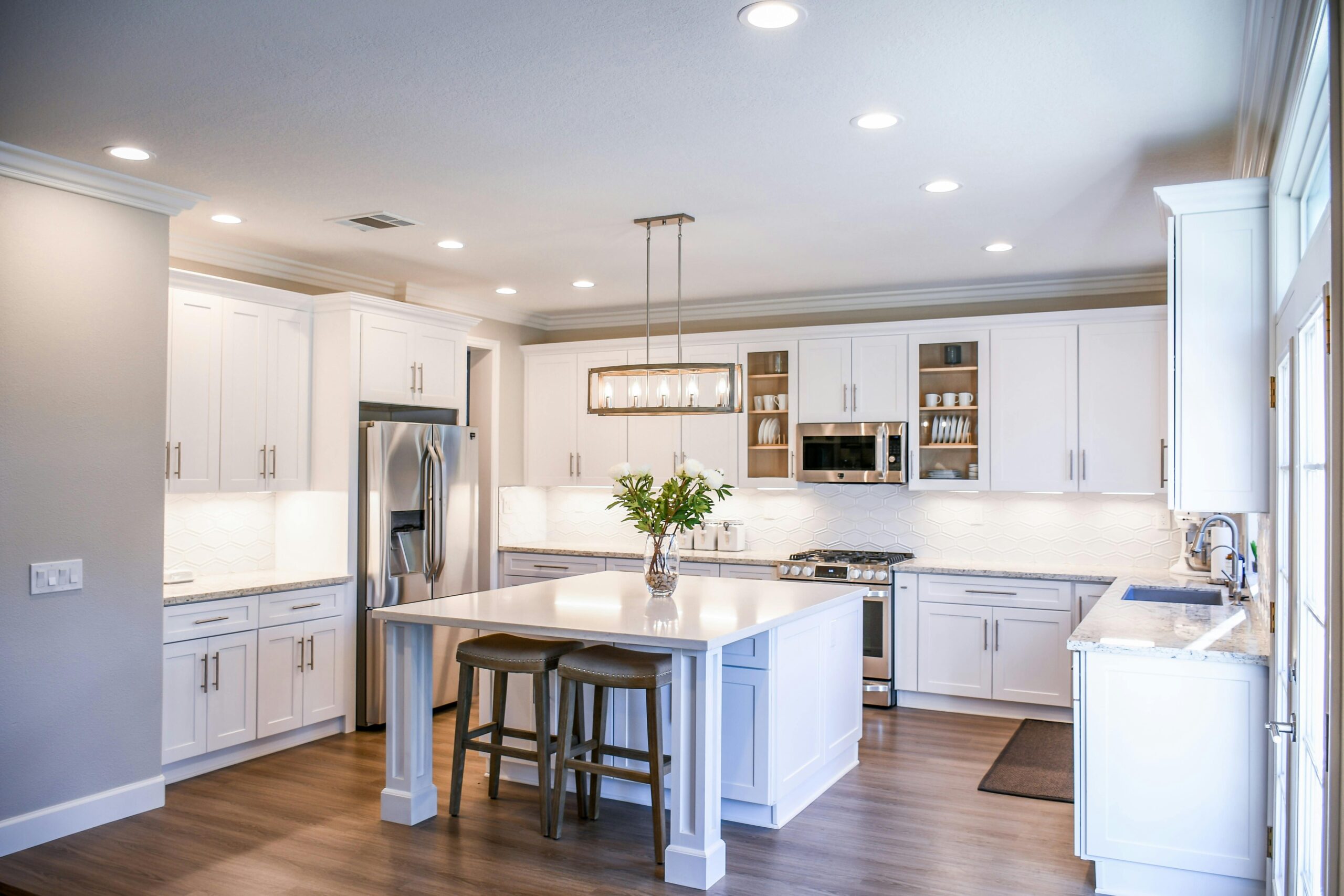
      Cabinet Refacing vs. Replacing: A Cost-Benefit Analysis for Homeowners.

      Deciding between cabinet refacing and full replacement is a major consideration in kitchen remodeling. The right choice can save money, time, and effort while giving your kitchen a fresh look.

      This guide from Kitchen Fixit explores the pros, cons, and costs of each approach, helping homeowners make informed decisions.


      What Is Cabinet Refacing?

      Cabinet refacing involves replacing the doors, drawer fronts, and veneers of existing cabinets while keeping the original frames.

      Benefits include:

      • Lower cost compared to full replacement
      • Faster project completion
      • Minimal disruption to your kitchen
      • Environmentally friendly, as frames are reused

      What Is Cabinet Replacement?

      Cabinet replacement involves removing all existing cabinets and installing entirely new ones.

      Benefits include:

      • Complete freedom for layout changes
      • Modern, updated materials and finishes
      • Ability to improve storage systems (pull-outs, Lazy Susans, soft-close drawers)

      Cost Comparison: Refacing vs. Replacement

      FactorRefacingReplacement
      Average Cost$4,000–$9,000$8,000–$20,000+
      Time Required2–5 days1–3 weeks
      CustomizationLimitedUnlimited
      Waste ProducedMinimalHigh (old cabinets disposed)

      Pro tip: Refacing works best when the cabinet frames are in good condition. Replacement is ideal for outdated, damaged, or poorly designed kitchens.


      Pros and Cons

      Refacing Pros

      • Cost-effective
      • Faster installation
      • Less mess

      Refacing Cons

      • Limited design flexibility
      • Cannot correct structural issues

      Replacement Pros

      • Full customization
      • Can address layout and design limitations
      • New materials last longer

      Replacement Cons

      • Higher cost
      • Longer project time
      • Requires demolition

      When to Choose Refacing

      • Cabinets are structurally sound
      • You want a budget-friendly refresh
      • Minimal changes to layout are needed

      When to Choose Replacement

      • Cabinets are damaged or warped
      • You want to change the kitchen layout
      • Long-term durability is a priority

      Tips for Homeowners

      • Always get multiple quotes from licensed professionals
      • Consider combining refacing with new hardware for a modern look
      • Factor in hidden costs like labor, hardware, and disposal fees
      • Plan your project around your schedule to reduce disruption

      Frequently Asked Questions (FAQs)

      1. Is refacing cheaper than replacement?
      Yes, refacing usually costs 40–60% less than full replacement.

      2. Can refacing change the layout of my kitchen?
      No. Refacing keeps the existing cabinet structure intact.

      3. How long does cabinet refacing take?
      Typically 2–5 days, depending on kitchen size and complexity.

      4. Is replacement worth the extra cost?
      If your cabinets are damaged or you want a new layout, replacement provides long-term value.


      Final Thoughts

      Choosing between cabinet refacing and replacement depends on your budget, kitchen condition, and remodeling goals. Refacing offers a fast, cost-effective refresh, while replacement allows full customization and durability.

      Kitchen Remodel ROI 2026: Top Upgrades That Add the Most Home Value

      A kitchen remodel is one of the most effective ways to increase your home’s value, but not all upgrades deliver the same return on investment (ROI). Homeowners often spend thousands without realizing which improvements truly pay off.

      This guide from Kitchen Fixit explores the kitchen upgrades that maximize ROI in 2026, helping you make smart remodeling decisions.


      Why ROI Matters in Kitchen Remodeling

      Return on investment (ROI) measures how much value an upgrade adds to your home relative to its cost. Focusing on high-ROI improvements ensures:

      • Money spent translates into increased resale value
      • Remodels improve functionality and aesthetics simultaneously
      • Avoiding costly upgrades with minimal returns

      Understanding ROI allows homeowners to prioritize upgrades that truly matter.


      Top Kitchen Upgrades That Deliver the Best ROI

      1. Cabinet Refacing or Replacement

      • Updated cabinets transform the kitchen’s appearance instantly
      • Refacing is cost-effective, while replacement is ideal for outdated or damaged cabinets
      • Enhances storage and functionality

      2. Countertops

      • Materials like quartz, granite, or marble are highly desirable
      • Durable and visually appealing surfaces increase home value
      • Small upgrades like adding a waterfall edge can boost perceived luxury

      3. Energy-Efficient Appliances

      • Modern, energy-saving appliances attract buyers
      • Look for stainless steel, induction cooktops, or smart refrigerators
      • Adds both functionality and eco-friendly appeal

      4. Flooring Upgrades

      • Durable materials like hardwood, tile, or engineered wood stand out
      • Flooring that complements the cabinetry and countertops enhances overall aesthetics
      • Avoid trends that may quickly become dated

      5. Kitchen Lighting

      • Layered lighting (ambient, task, and accent) improves functionality and style
      • Pendant lights over islands and under-cabinet lighting are high-impact
      • Proper lighting highlights quality materials and design features

      Mid-Range Upgrades With Solid ROI

      • Backsplashes: Tile or natural stone backsplashes add elegance
      • Open shelving: Provides a modern look and additional storage
      • Hardware replacement: Swapping out knobs and pulls is affordable yet visually transformative

      These upgrades are affordable but visually impactful, enhancing resale potential without massive expense.


      Low-ROI Upgrades to Consider Carefully

      Some remodeling elements may not significantly boost ROI, such as:

      • Over-customized layouts or themed designs
      • High-end luxury appliances that exceed neighborhood standards
      • Expensive lighting or plumbing features that don’t match overall market expectations

      Focusing on broad appeal ensures your investment attracts more buyers in the long run.


      Frequently Asked Questions (FAQs)

      1. What is the average ROI for a kitchen remodel?
      Most kitchen remodels recoup 60–80% of their cost, depending on scale, materials, and market conditions.

      2. Should I prioritize aesthetics or functionality?
      A combination works best. Functional upgrades like storage and appliances, paired with aesthetic improvements, maximize ROI.

      3. Are small kitchens worth remodeling for ROI?
      Yes. Even minor updates like cabinets, countertops, and lighting can significantly improve appeal and value.

      4. How can I ensure my remodel aligns with ROI trends?
      Consult local real estate and remodeling experts to match upgrades with neighborhood standards and buyer expectations.

      The $5,000 Kitchen Makeover: High-Impact Updates That Won’t Break the Bank

      Lorem ipsum dolor sit amet, consectetur adipisicing elit, sed do eiusmod tempor incididunt ut labore et dolore magna aliqua. Ut enim ad minim veniam, quis nostrud exercitation ullamco laboris nisi ut aliquip ex ea commodo consequat. Duis aute irure dolor in reprehenderit in voluptate velit esse cillum dolore eu fugiat nulla pariatur. Excepteur sint occaecat cupidatat non proident, sunt in culpa qui officia deserunt mollit anim id est laborum.

      Excepteur sint occaecat cupidatat non proident, sunt in culpa qui officia deserunt mollit anim id est laborum. Sed ut perspiciatis unde omnis iste natus error sit voluptatem accusantium doloremque laudantium, totam rem aperiam, eaque ipsa quae ab illo inventore.

      Neque porro quisquam est, qui dolorem ipsum quia dolor sit amet, consectetur, adipisci velit, sed quia non numquam eius modi tempora incidunt ut labore et dolore magnam aliquam quaerat voluptatem. Duis aute irure dolor in reprehenderit in voluptate velit esse cillum dolore eu fugiat nulla pariatur. Excepteur sint occaecat cupidatat non proident, sunt in culpa qui officia deserunt mollit anim id est laborum. Sed ut perspiciatis unde omnis iste natus error sit voluptatem accusantium doloremque laudantium.

      Laboris nisi ut aliquip ex ea commodo consequat. Duis aute irure dolor in reprehenderit in voluptate velit esse cillum dolore eu fugiat nulla pariatur. Excepteur sint occaecat cupidatat non proident, sunt in culpa qui officia deserunt mollit anim id est laborum.