Archives 2026

The Galley Kitchen Survival Guide: Design Tips for Narrow Spaces.

      Designing a galley kitchen can feel challenging due to its narrow layout and limited workspace. However, with smart planning and clever design techniques, even the tightest galley kitchens can be functional, stylish, and efficient. For homeowners looking to maximize space without sacrificing aesthetics, this Galley Kitchen Survival Guide from Kitchen Fixit offers practical tips for narrow kitchens.

      Galley Kitchen Survival Guide 2026 | Narrow Kitchen Design Tips – Kitchen Fixit


      Galley Kitchen Survival Guide 2026 | Narrow Kitchen Design Tips – Kitchen Fixit

      Optimize your galley kitchen with expert design tips for narrow spaces. Learn layout strategies, storage solutions, and styling ideas to make your kitchen functional and beautiful in 2026.


      Understanding the Galley Kitchen Layout

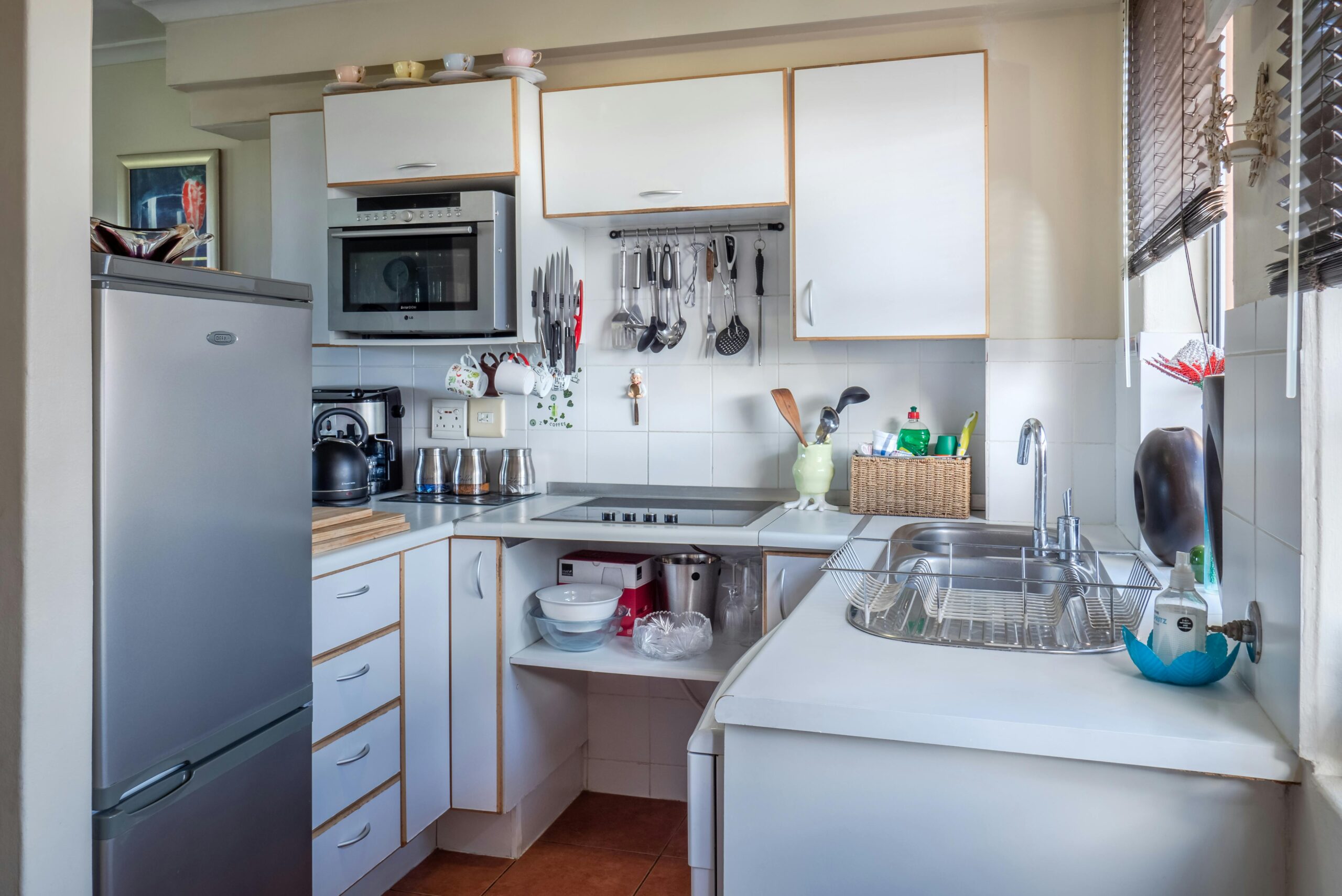
      A galley kitchen features two parallel walls or countertops with a narrow walkway in between. This design is common in apartments, small homes, and older houses. While space is limited, proper layout and storage solutions can make it efficient and visually appealing.

      Advantages of Galley Kitchens:

      • Efficient workflow for cooking and cleaning
      • Minimal walking distance between sink, stove, and refrigerator
      • Compact and cost-effective design

      Challenges:

      • Limited counter space
      • Narrow walkways can feel cramped
      • Storage constraints for cabinets and appliances

      For homeowners tackling a galley kitchen remodel, understanding the layout is the first step toward a functional space.


      Key Design Tips for Narrow Galley Kitchens

      1. Optimize the Work Triangle

      The kitchen work triangle—sink, stove, and refrigerator—should be carefully planned. Even in narrow spaces, maintaining a clear workflow improves efficiency.

      Tips:

      • Place the sink on one wall and the stove or cooktop on the opposite wall
      • Avoid placing the refrigerator too far from prep zones
      • Keep walkways at least 42 inches wide for comfort

      2. Maximize Vertical Storage

      In narrow kitchens, vertical space is your best friend. Floor-to-ceiling cabinets and wall-mounted shelves can dramatically increase storage.

      Ideas:

      • Use tall cabinets for pantry items
      • Install hanging racks for pots, pans, or utensils
      • Add magnetic strips for knives and small tools

      For professional cabinet installation or kitchen storage solutions, visit our Kitchen Fixit remodeling services.


      3. Choose Light Colors and Reflective Surfaces

      Light, neutral colors can make narrow kitchens feel larger. Reflective surfaces, such as glossy cabinets or glass backsplashes, bounce light and create a sense of openness.

      Pro Tips:

      • Stick to white, beige, or soft gray cabinets
      • Use glass-front upper cabinets to reduce visual weight
      • Incorporate under-cabinet lighting to brighten countertops

      4. Select Space-Saving Appliances

      Opt for compact, narrow, or built-in appliances to maximize usable space. Modern slim refrigerators, ovens, and dishwashers are designed specifically for small kitchens.

      • Consider a single or two-burner cooktop if space is extremely limited
      • Use drawer dishwashers to maintain countertop area

      Learn more about selecting appliances on our Kitchen Fixit appliance guide.


      5. Keep Countertops Clear

      A cluttered countertop makes a galley kitchen feel cramped. Use smart storage, wall-mounted organizers, and pull-out drawers to keep surfaces open for meal prep.


      6. Use Mirrors and Visual Tricks

      Mirrors or reflective backsplashes can visually expand the kitchen. Consider:

      • Mirror backsplash behind the stove or sink
      • Glossy cabinet finishes
      • Open shelving to create depth

      Frequently Asked Questions (FAQs)

      1. Can a galley kitchen feel spacious?
      Yes, by using light colors, reflective surfaces, vertical storage, and a clear workflow.

      2. What is the ideal walkway width in a galley kitchen?
      At least 42 inches to allow two people to pass comfortably.

      3. Are galley kitchens suitable for families?
      Yes, with smart storage and organization, they can function efficiently for daily cooking and meals.

      4. How can I maximize natural light in a narrow kitchen?
      Use light-colored cabinets, reflective surfaces, and unobstructed windows or skylights if possible.


      Final Thoughts

      Narrow galley kitchens don’t have to feel limiting. With careful layout planning, vertical storage solutions, light and reflective finishes, and space-saving appliances, even the smallest kitchen can be highly functional and stylish.

      For professional design advice, cabinet installation, or remodeling services, Kitchen Fixit is here to help. Transform your galley kitchen into a practical, beautiful space that works for your family.
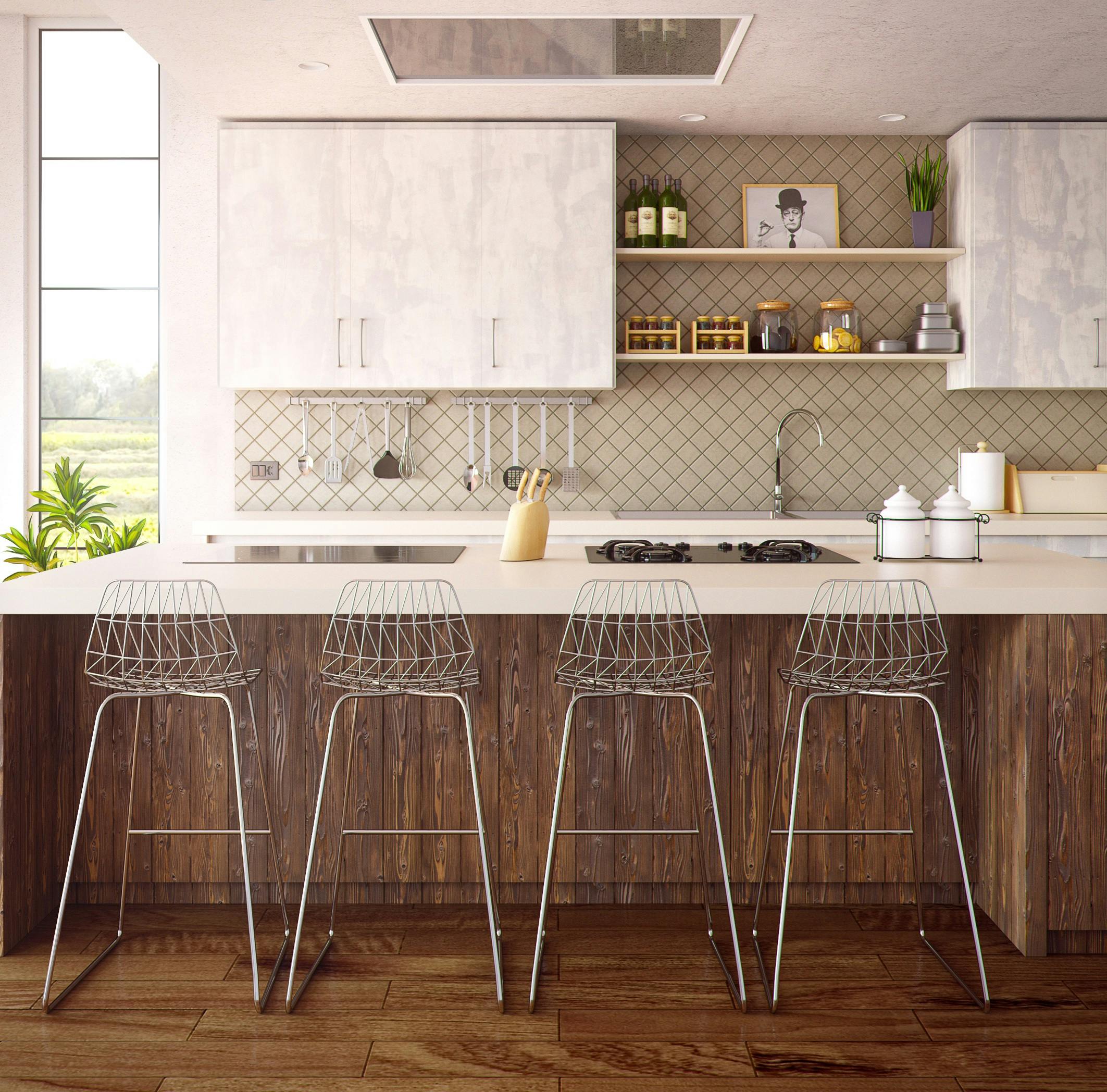
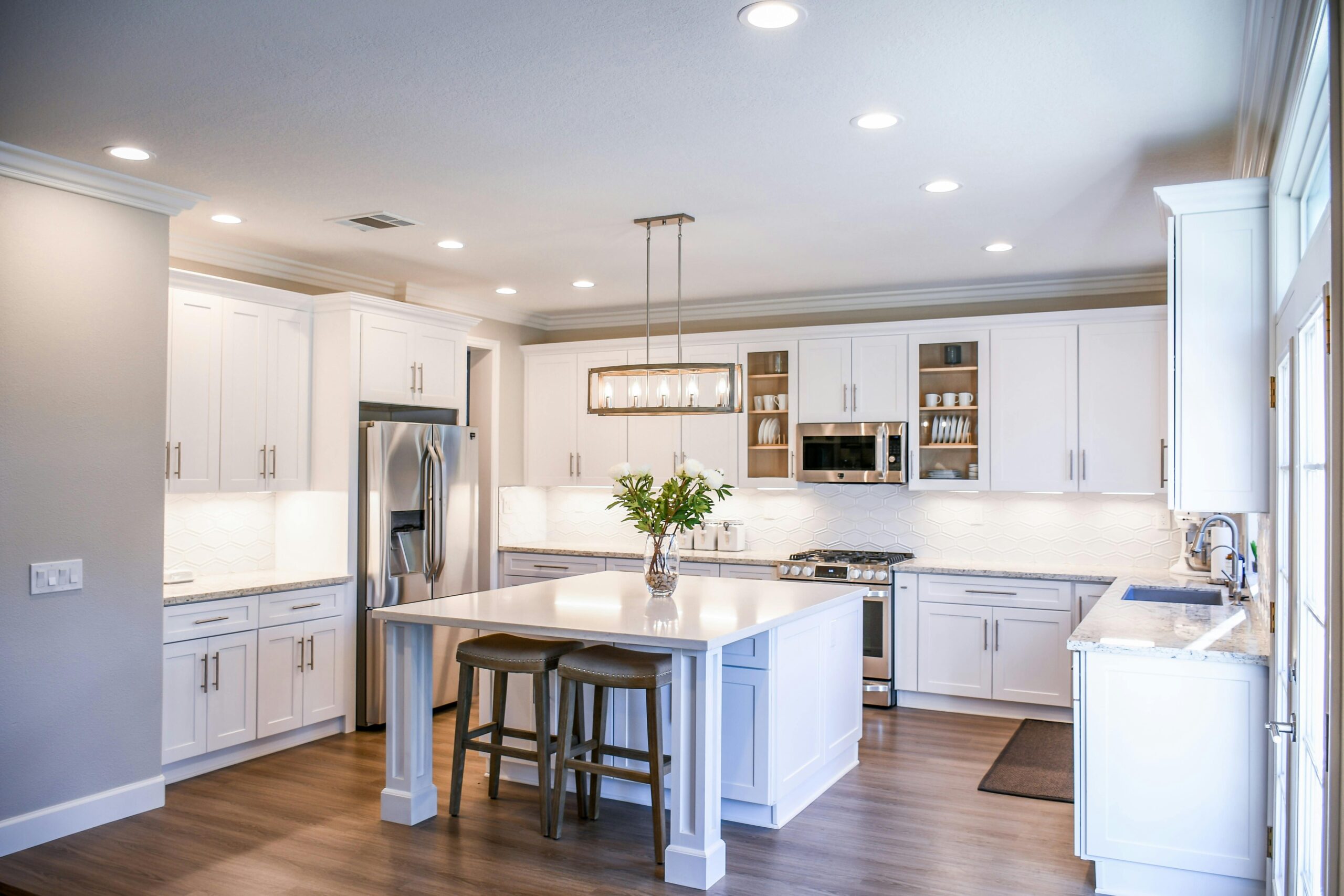
      Vertical Storage Ideas: How to Use Your Kitchen Walls Look better.

      Maximizing kitchen storage is one of the biggest challenges in modern homes. Vertical storage solutions transform walls into functional spaces, keeping countertops clear and making cooking more efficient. For homeowners with small kitchens or busy families, utilizing every inch of vertical space is essential.

      This guide from Kitchen Fixit explores the best vertical storage ideas, helping you organize your kitchen like a professional chef while maintaining style and accessibility.


      Why Vertical Storage Matters in the Kitchen

      Kitchens often run out of space due to bulky appliances, cookware, and pantry items. Vertical storage:

      • Frees up countertop space for prep work
      • Increases accessibility to pots, pans, and ingredients
      • Creates a visually organized and clean kitchen
      • Works in small, galley, or L-shaped kitchens

      Pro tip: Combining vertical storage with pull-out cabinets and drawer organizers maximizes every inch.


      Top Vertical Storage Ideas for Your Kitchen

      1. Floor-to-Ceiling Cabinets

      • Install tall cabinets that reach the ceiling to store rarely used items
      • Use the top shelves for seasonal cookware or bulk pantry items
      • Consider soft-close doors and pull-down racks for accessibility

      Check our Kitchen Fixit cabinet installation services to get professional help with tall cabinets.


      2. Wall-Mounted Shelves

      • Open shelves display dishes, glasses, and cookbooks
      • Adjustable brackets allow customization for different heights
      • Combine with baskets or containers to keep items neat

      Pro tip: Use lightweight items on higher shelves to avoid accidents.


      3. Magnetic Knife Strips and Tool Racks

      • Mount knives, spatulas, and other metal utensils on magnetic strips
      • Saves drawer space and keeps tools visible and accessible
      • Ideal for frequent cooking zones near prep counters

      4. Hanging Pot Racks

      • Ceiling or wall-mounted racks store pots and pans
      • Keeps cookware within easy reach
      • Adds a professional kitchen look without cluttering cabinets

      Visit our Kitchen Fixit remodeling services for expert installation of wall-mounted racks.


      5. Pegboards for Custom Organization

      • Pegboards allow hooks, baskets, and shelves to be rearranged
      • Perfect for storing small appliances, utensils, and cutting boards
      • Highly customizable for your kitchen workflow

      6. Under-Cabinet Storage

      • Utilize the space beneath upper cabinets for:
        • Wine glasses
        • Spice racks
        • Small hooks for mugs or utensils

      Tip: LED under-cabinet lighting improves visibility and enhances aesthetics.


      7. Pull-Out Wall Cabinets

      • Slim, vertical cabinets with sliding shelves make use of narrow spaces
      • Perfect for storing spices, oils, or canned goods
      • Keeps items organized and easy to access without taking floor space

      8. Creative Wall Hooks and Rails

      • Install rails to hang cutting boards, oven mitts, or dish towels
      • Combine with baskets for added storage
      • Great for small kitchens where counter space is premium

      Frequently Asked Questions (FAQs)

      1. Can vertical storage work in small kitchens?
      Absolutely. Wall-mounted shelves, hooks, and magnetic strips maximize space without crowding countertops.

      2. Are wall-mounted racks safe for heavy cookware?
      Yes, as long as racks are anchored into studs or reinforced walls. Professional installation is recommended.

      3. How do I make vertical storage look stylish?
      Use uniform baskets, color-coordinated containers, and clean lines. Open shelving combined with decorative items creates a polished look.

      4. Can vertical storage improve kitchen workflow?
      Yes. By keeping frequently used items within reach, cooking becomes faster and more organized.


      Final Thoughts

      Using your kitchen walls for vertical storage is an easy way to expand space, improve workflow, and maintain a clean aesthetic. From floor-to-ceiling cabinets to pegboards and magnetic racks, every wall can become functional.

      For custom vertical storage solutions, professional installation, and kitchen remodeling, Kitchen Fixit is ready to help you transform your kitchen into a space that is both efficient and stylish.

      Corner Cabinet Secrets: useful Solutions for “Covered Space” in Kitchen.

      Corner cabinets are often overlooked in kitchen design, leaving behind what many call “dead space.” However, with the right strategies, these awkward areas can become functional storage zones.

      This guide from Kitchen Fixit reveals 5 clever solutions to transform corner cabinets, helping you maximize space and keep your kitchen organized.


      Why Corner Cabinets Are a Challenge

      Corner cabinets are tricky because they are hard to reach and often underutilized. Common issues include:

      • Limited access to back corners
      • Poor visibility of stored items
      • Wasted cubic space in small kitchens

      By implementing smart storage solutions, you can convert these dead zones into highly usable spaces.


      5 Clever Corner Cabinet Solutions

      1. Lazy Susan Turntables

      • Circular rotating shelves make items at the back easy to reach
      • Ideal for storing spices, canned goods, or small appliances
      • Maximizes the usable cabinet area efficiently

      Check our Kitchen Fixit NYC Remodeling Services for professional Lazy Susan installation.


      2. Pull-Out Corner Drawers

      • Specialized drawers slide out at angles for full access to deep corners
      • Great for pots, pans, and larger kitchen tools
      • Helps avoid stacking items on top of each other, reducing clutter

      3. Swing-Out or Flip Shelves

      • Shelves that swing or flip out for easier access
      • Perfect for deep corner cabinets that are otherwise hard to reach
      • Can store dishes, cutting boards, or pantry items

      Explore more solutions in our Kitchen Fixit NYC Kitchen Storage Guide.


      4. Diagonal Corner Cabinets

      • Cabinets set at a 45-degree angle to the main layout
      • Reduces wasted space in back corners
      • Provides better visual and physical access

      5. Corner Pull-Out Racks

      • Vertical pull-out racks fit neatly into corners
      • Excellent for bottles, oils, spices, and tall pantry items
      • Keeps everything visible and accessible

      Tips for Maximizing Corner Cabinet Efficiency

      • Use lightweight storage baskets for easy removal
      • Add LED lighting inside corners to improve visibility
      • Label shelves or containers for better organization
      • Combine corner solutions with vertical storage for maximum effect

      Frequently Asked Questions (FAQs)

      1. Are Lazy Susans worth the investment?
      Yes. They make corner cabinets fully accessible and improve kitchen workflow.

      2. Can pull-out drawers fit in small kitchens?
      Absolutely. Modern designs are compact and maximize tight corner spaces.

      3. How do I choose between swing-out shelves and Lazy Susans?
      Lazy Susans are best for small items and quick access, while swing-out shelves handle larger, heavier items.

      4. Do corner cabinets reduce countertop space?
      Not if designed properly. Angled or pull-out solutions increase storage without affecting countertop efficiency.


      Final Thoughts

      Corner cabinets no longer need to be dead space in your kitchen. By implementing Lazy Susans, pull-out drawers, swing-out shelves, diagonal cabinets, or vertical pull-out racks, you can dramatically improve storage, accessibility, and kitchen organization.

      For professional corner cabinet installation or custom storage solutions in New York City, visit Kitchen Fixit NYC Remodeling Services for expert help.

      The Ultimate Pantry Organization Guide: Systems That Actually Stay Tidy.

      A well-organized pantry can completely transform your kitchen workflow. Messy shelves, expired food, and hard-to-reach items make cooking stressful. With the right organization systems, your pantry can be tidy, accessible, and easy to maintain.

      This guide from Kitchen Fixit covers practical pantry solutions that actually stay organized, even for busy families.


      Why Pantry Organization Matters

      An organized pantry:

      • Saves time when cooking
      • Reduces food waste
      • Makes grocery shopping more efficient
      • Creates a visually appealing kitchen

      Without a system, pantry items tend to pile up, making even simple meals frustrating to prepare.


      Top Pantry Organization Systems That Work

      1. Clear Storage Containers

      • Use clear, airtight containers for grains, pasta, and snacks
      • Makes it easy to see contents at a glance
      • Stackable containers save vertical space

      Check out our Kitchen Fixit NYC Kitchen Storage Services for help with installing custom shelving and storage solutions.


      2. Adjustable Shelving

      • Shelves that can be moved up or down maximize space
      • Accommodates tall cereal boxes or short spice jars
      • Keeps everything within easy reach

      3. Pull-Out Baskets and Drawers

      • Ideal for corner or deep pantry cabinets
      • Keeps items visible and accessible
      • Reduces the risk of food getting lost in the back

      4. Door-Mounted Organizers

      • Great for spices, oils, and condiments
      • Uses otherwise wasted door space
      • Keeps frequently used items at eye level

      5. Label Everything

      • Label shelves and containers for easy identification
      • Helps every family member maintain the system
      • Color-coded labels improve visual organization

      Explore more ideas in our Kitchen Fixit NYC Remodeling Services.


      Tips for a Long-Lasting Pantry System

      • Rotate older items to the front
      • Keep frequently used items at eye level
      • Use baskets for small items like snacks or packets
      • Regularly purge expired or unused foods

      Frequently Asked Questions (FAQs)

      1. How often should I reorganize my pantry?
      Every 3–6 months is ideal to keep the system effective and items fresh.

      2. Are clear containers better than boxes or bags?
      Yes. They provide visibility, are stackable, and protect food from pests.

      3. Can small pantries be organized effectively?
      Absolutely. Vertical storage, pull-out baskets, and door-mounted racks maximize small spaces.

      4. How do I get my family to maintain pantry organization?
      Use labeled containers, assign zones for each family member, and make it easy to return items after use.


      Final Thoughts

      A tidy pantry makes cooking less stressful and keeps your kitchen functional. By implementing clear containers, adjustable shelving, pull-out baskets, door-mounted racks, and proper labeling, you can maintain an organized pantry that lasts.

      For professional pantry organization, custom storage systems, or kitchen remodeling in New York City, visit Kitchen Fixit NYC Kitchen Storage Services.

      Extra Costs of Kitchen Remodeling: Expenses That Are Not Neccessary

          Kitchen remodeling can be exciting, but it often comes with hidden expenses that homeowners don’t anticipate. Planning only for cabinets and countertops can leave you shocked when extra costs appear.

          This guide from Kitchen Fixit highlights the 7 hidden expenses that many homeowners overlook so you can budget smarter and avoid surprises.


          1. Permits and Inspection Fees

          Depending on the scope of your remodel, local building codes may require:

          • Electrical permits
          • Plumbing permits
          • Inspections

          These fees vary by city but can add hundreds or even thousands of dollars to your project.


          2. Upgrading Old Plumbing or Electrical Systems

          Older homes may have outdated systems that cannot handle new appliances or layouts. Unexpected upgrades might include:

          • Replacing old wiring or panels
          • Installing new plumbing lines
          • Adding outlets or circuits for modern appliances

          3. Structural Changes

          If your remodel includes knocking down walls or changing layouts, costs can escalate due to:

          • Load-bearing wall reinforcements
          • Additional framing or supports
          • Drywall repairs and finishing

          Check with Kitchen Fixit NYC Remodeling Services for professional assessments before starting demolition.


          4. Custom Cabinetry and Storage Solutions

          While stock cabinets are predictable in cost, custom solutions can increase expenses, especially if:

          • You need corner or pull-out cabinets
          • Specialized pantry storage is required
          • High-end finishes are selected

          5. Appliance Upgrades

          Many homeowners discover their current appliances don’t fit their new design. Upgrades might include:

          • Built-in ovens or microwaves
          • Induction cooktops or double ovens
          • Energy-efficient refrigerators

          6. Countertop Installation and Materials

          Countertops are more than just the slab. Hidden costs can include:

          • Edge treatments and backsplashes
          • Labor for cutting and installation
          • Disposal of old countertops

          For professional countertop installation, explore Kitchen Fixit NYC Kitchen Services.


          7. Unexpected Finishing Costs

          Small details can add up quickly:

          • Paint touch-ups after construction
          • Floor repair or refinishing
          • Lighting installation and trim work

          Tips to Avoid Hidden Remodeling Costs

          • Always get multiple quotes for labor and materials
          • Include a 10–20% contingency in your budget
          • Discuss potential hidden issues with your contractor before work begins
          • Use professional designers or remodeling services to anticipate surprises

          Frequently Asked Questions (FAQs)

          1. What percentage of a kitchen remodel is usually hidden costs?
          Hidden costs can range from 10–20% of your total budget if not planned for.

          2. How can I prevent unexpected plumbing or electrical expenses?
          Hire licensed professionals to inspect existing systems before finalizing your design.

          3. Are appliance upgrades always necessary?
          Not always, but remodeling often reveals outdated or incompatible appliances.

          4. Should I hire a contractor to handle all hidden costs?
          Yes. Experienced contractors like Kitchen Fixit NYC can identify potential hidden expenses before they become surprises.


          Final Thoughts

          Kitchen remodeling is rewarding, but hidden costs can quickly derail your budget. By planning for permits, system upgrades, custom cabinetry, appliances, countertops, and finishing touches, you can avoid surprises and complete your remodel efficiently.

          For professional guidance, remodeling services, and budgeting help in New York City, visit Kitchen Fixit NYC Remodeling Services.

          Cabinet Refacing vs. Replacing: A Cost-Benefit Analysis for Homeowners.

          Deciding between cabinet refacing and full replacement is a major consideration in kitchen remodeling. The right choice can save money, time, and effort while giving your kitchen a fresh look.

          This guide from Kitchen Fixit explores the pros, cons, and costs of each approach, helping homeowners make informed decisions.


          What Is Cabinet Refacing?

          Cabinet refacing involves replacing the doors, drawer fronts, and veneers of existing cabinets while keeping the original frames.

          Benefits include:

          • Lower cost compared to full replacement
          • Faster project completion
          • Minimal disruption to your kitchen
          • Environmentally friendly, as frames are reused

          What Is Cabinet Replacement?

          Cabinet replacement involves removing all existing cabinets and installing entirely new ones.

          Benefits include:

          • Complete freedom for layout changes
          • Modern, updated materials and finishes
          • Ability to improve storage systems (pull-outs, Lazy Susans, soft-close drawers)

          Cost Comparison: Refacing vs. Replacement

          FactorRefacingReplacement
          Average Cost$4,000–$9,000$8,000–$20,000+
          Time Required2–5 days1–3 weeks
          CustomizationLimitedUnlimited
          Waste ProducedMinimalHigh (old cabinets disposed)

          Pro tip: Refacing works best when the cabinet frames are in good condition. Replacement is ideal for outdated, damaged, or poorly designed kitchens.


          Pros and Cons

          Refacing Pros

          • Cost-effective
          • Faster installation
          • Less mess

          Refacing Cons

          • Limited design flexibility
          • Cannot correct structural issues

          Replacement Pros

          • Full customization
          • Can address layout and design limitations
          • New materials last longer

          Replacement Cons

          • Higher cost
          • Longer project time
          • Requires demolition

          When to Choose Refacing

          • Cabinets are structurally sound
          • You want a budget-friendly refresh
          • Minimal changes to layout are needed

          When to Choose Replacement

          • Cabinets are damaged or warped
          • You want to change the kitchen layout
          • Long-term durability is a priority

          Tips for Homeowners

          • Always get multiple quotes from licensed professionals
          • Consider combining refacing with new hardware for a modern look
          • Factor in hidden costs like labor, hardware, and disposal fees
          • Plan your project around your schedule to reduce disruption

          Frequently Asked Questions (FAQs)

          1. Is refacing cheaper than replacement?
          Yes, refacing usually costs 40–60% less than full replacement.

          2. Can refacing change the layout of my kitchen?
          No. Refacing keeps the existing cabinet structure intact.

          3. How long does cabinet refacing take?
          Typically 2–5 days, depending on kitchen size and complexity.

          4. Is replacement worth the extra cost?
          If your cabinets are damaged or you want a new layout, replacement provides long-term value.


          Final Thoughts

          Choosing between cabinet refacing and replacement depends on your budget, kitchen condition, and remodeling goals. Refacing offers a fast, cost-effective refresh, while replacement allows full customization and durability.

          Luxury for Less: How to Get a High-End Designer Look on a Realistic Budget.

          You don’t need to spend a fortune to achieve a luxury kitchen or home design. With smart choices, clever tricks, and attention to detail, you can create a high-end look while staying within a realistic budget.

          This guide from Kitchen Fixit explains practical strategies to get luxury style without overspending.


          Why Budget-Friendly Luxury Works

          A high-end appearance isn’t only about expensive materials. With thoughtful design, you can:

          • Maximize impact with small upgrades
          • Mix affordable and premium materials effectively
          • Focus on design elements that catch the eye

          The key is prioritizing what creates the biggest visual impact.


          Key Strategies for Luxury on a Budget

          1. Focus on Statement Pieces

          • Select one or two standout elements:
            • Designer lighting fixtures
            • A luxury backsplash
            • Elegant faucet or cabinet hardware
          • High-quality accents make the space feel luxurious without replacing everything

          2. Upgrade Hardware and Fixtures

          • Swap standard knobs and handles for modern, stylish hardware
          • Update faucets, sinks, and light fixtures for an instant designer feel
          • These changes are low-cost but high-impact

          3. Paint and Finishes

          • A fresh coat of paint transforms walls, cabinets, and trims
          • Use neutral palettes with bold accent colors for sophistication
          • Consider faux finishes or textured paint for added luxury effect

          4. Mix Materials Wisely

          • Pair affordable surfaces with premium touches:
            • Laminate countertops with stone accent
            • Engineered wood floors with marble-look tiles
          • Visual contrast creates a sense of high-end design without overspending

          5. Strategic Lighting

          • Layered lighting enhances every space:
            • Ambient: Ceiling lights for general illumination
            • Task: Under-cabinet lights for counters
            • Accent: Pendant lights or spotlights to highlight features
          • Proper lighting can make simple spaces feel designer-level

          6. Accessorize Thoughtfully

          • Use rugs, plants, art, or decorative bowls to complete the look
          • Keep accessories cohesive and uncluttered
          • Small details elevate the perception of luxury

          7. DIY and Smart Shopping

          • Take advantage of DIY projects for minor upgrades
          • Look for sales, discounts, or second-hand high-quality items
          • Repurpose or refurbish furniture and décor to save money

          Frequently Asked Questions (FAQs)

          1. Can luxury look be achieved on a tight budget?
          Absolutely. Strategic upgrades, statement pieces, and smart shopping can create a designer feel affordably.

          2. Are DIY projects a good option for luxury design?
          Yes. DIY can save money and add personalized touches without sacrificing style.

          3. How important is lighting in a high-end look?
          Lighting is crucial. Layered and well-placed lighting instantly makes a space appear more sophisticated.

          4. Should I mix budget and premium materials?
          Yes. Combining affordable surfaces with high-end accents balances cost while creating a luxurious appearance.


          Final Thoughts

          Achieving a luxury designer look on a budget is about smart choices, attention to detail, and visual impact. Focus on statement pieces, high-quality finishes, thoughtful lighting, and strategic accessories to transform your space without overspending.

          Scullery Rooms in 2026: Luxury Kitchen Addition Worth the Investment?

          The concept of the scullery is making a major comeback in 2026. Once considered an old-fashioned utility room, modern sculleries are now being embraced by homeowners and designers as a luxury kitchen addition. But is it truly worth the investment, or just another trend?

          This guide from Kitchen Fixit explores the rise of the scullery, its benefits, design ideas, and whether it justifies the cost in today’s kitchen remodels.


          What Is a Scullery?

          A scullery is a secondary kitchen space that complements the main kitchen. Traditionally, it was used for washing dishes and storing cleaning supplies. Modern sculleries, however, are much more functional and stylish, often including:

          • Additional sinks and dishwashers
          • Extra storage for appliances and pantry items
          • Counter space for meal prep or baking
          • Concealed areas to hide clutter from the main kitchen

          The scullery allows homeowners to keep the main kitchen clean and presentable, even during heavy cooking or entertaining.


          Why Sculleries Are Becoming Popular

          Several factors are driving the popularity of sculleries in 2026:

          • Open-concept kitchens: With large, open spaces, homeowners want to hide messes from guests.
          • Multi-functional spaces: Sculleries can double as pantry, laundry, or beverage stations.
          • High-end appeal: Luxury homes increasingly feature sculleries for convenience and aesthetic value.
          • Organized storage: Extra cabinets, drawers, and countertops reduce clutter in the main kitchen.

          Key Benefits of Adding a Scullery

          1. Keeps the Main Kitchen Clean

          • Dishwashing and prep work can be done out of sight
          • Reduces clutter during gatherings or dinner parties

          2. Maximizes Storage Space

          • Room for appliances, pantry items, and cookware
          • Frees up main kitchen cabinets for daily essentials

          3. Enhances Functionality

          • Dual sinks and extra countertops improve workflow
          • Separate prep and cooking areas allow multiple people to work efficiently

          4. Adds Value to Your Home

          • Luxury kitchens with sculleries are attractive to buyers
          • Can increase resale value due to functionality and high-end appeal

          Design Ideas for a Modern Scullery

          • Hidden from view: Sliding doors or pocket doors keep the scullery discreet
          • Compact layouts: Small sculleries can fit even in urban apartments
          • Matching aesthetics: Coordinate cabinetry and countertops with the main kitchen for seamless design
          • Tech integration: Extra appliances, smart storage, and under-cabinet lighting improve usability

          Costs to Consider

          Adding a scullery is an investment, and costs depend on size, materials, and appliances:

          FactorEstimated Cost
          Cabinetry & Shelving$3,000–$8,000
          Appliances (sink, dishwasher, fridge)$2,000–$6,000
          Countertops & Finishes$1,500–$5,000
          Labor & Installation$3,000–$7,000

          Pro tip: Budget 10–15% extra for unexpected expenses, especially if plumbing or electrical work is required.


          Frequently Asked Questions (FAQs)

          1. Do I really need a scullery?
          Not every home needs one, but for busy kitchens, entertaining frequently, or large families, a scullery significantly improves functionality.

          2. Can a small home include a scullery?
          Yes. Compact scullery layouts with clever storage and appliances can work in smaller spaces.

          3. Will adding a scullery increase my home’s value?
          Luxury kitchens with sculleries are highly desirable, potentially boosting resale value.

          4. What is the difference between a scullery and a pantry?
          A pantry is primarily for storage. A scullery functions as an extra kitchen workspace with appliances, sinks, and prep areas.


          Final Thoughts

          The scullery is no longer a hidden, old-fashioned utility room. In 2026, it has evolved into a luxury, functional, and stylish kitchen addition that enhances workflow, storage, and home value.

          If you want to keep your main kitchen pristine while maximizing space and functionality, a scullery is an investment worth considering.

          Bold Kitchen Cabinet Colors 2026: How to Upgrade Your Remodel Beyond White

          White cabinets have long been a kitchen staple, but bold colors are taking over remodeling trends in 2026. From deep blues to vibrant greens, homeowners are embracing color to make a statement while keeping kitchens stylish and modern.

          This guide from Kitchen Fixit explores why bold-colored cabinets are trending and how you can incorporate them into your own kitchen remodel.


          Why Bold Colors Are Trending

          Bold cabinet colors provide:

          • A unique, personalized aesthetic
          • A break from traditional, neutral kitchens
          • Opportunities to mix textures, finishes, and accents
          • A sense of luxury without needing expensive materials

          Designers are moving beyond the “safe” white palette to create eye-catching, dynamic kitchens.


          Popular Bold Cabinet Colors in 2026

          • Deep Navy Blue – Works well with gold hardware and light countertops
          • Emerald Green – Adds sophistication and pairs with natural wood accents
          • Charcoal Gray – A modern alternative to black, versatile with metallics
          • Rich Reds or Burgundy – Creates warmth and a bold focal point

          Tips for Incorporating Bold Colors

          1. Balance Bold with Neutrals

          • Pair bold cabinets with neutral countertops, floors, or walls
          • Prevents overwhelming the space and maintains elegance

          2. Focus on Key Areas

          • Consider coloring an island, lower cabinets, or pantry walls rather than the entire kitchen
          • Creates a focal point without dominating the room

          3. Mix Textures and Finishes

          • Matte, glossy, or lacquered finishes add depth
          • Combine wood, stone, or metal accents for visual interest

          4. Hardware Matters

          • Gold, brass, or matte black handles complement bold cabinet colors
          • Hardware can elevate or soften the overall look

          5. Consider Lighting

          • Proper lighting highlights colors effectively
          • Natural light or layered artificial lighting enhances richness

          Frequently Asked Questions (FAQs)

          1. Are bold cabinets a passing trend?
          While trends evolve, bold-colored cabinets are gaining popularity for their ability to personalize spaces and create modern aesthetics.

          2. Can small kitchens use bold colors?
          Yes. Using bold colors on islands or lower cabinets can make a space feel stylish without overwhelming it.

          3. What colors work best with bold cabinets?
          Neutral tones like whites, creams, grays, or wood textures balance bold colors beautifully.

          4. How do I maintain bold-colored cabinets?
          Regular cleaning with gentle products keeps finishes vibrant. Matte finishes may show fingerprints less than glossy ones.


          Final Thoughts

          Bold-colored cabinets are redefining kitchen remodeling trends in 2026. By carefully balancing color with neutrals, lighting, textures, and hardware, you can create a modern, striking kitchen that reflects personality and style without compromising functionality.